Source Glass Figurine for Souvenir, Home Decoration, and Holiday Gifts
Compare 30 glass figurine options from verified suppliers in China. Buyers can evaluate transparent and colored designs, including animal and sports themes, with customizable sizes and safe packing for business gifts and art collections.
Key considerations
Products List


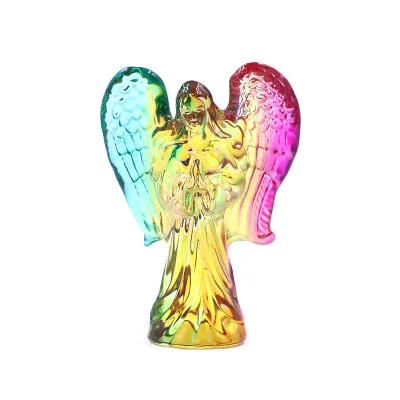
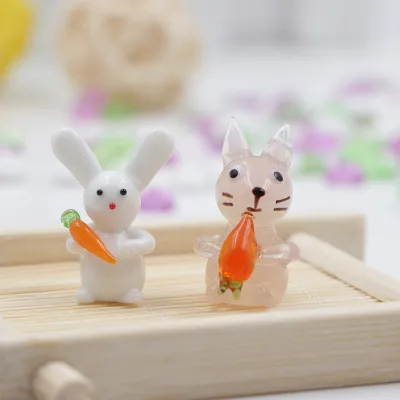


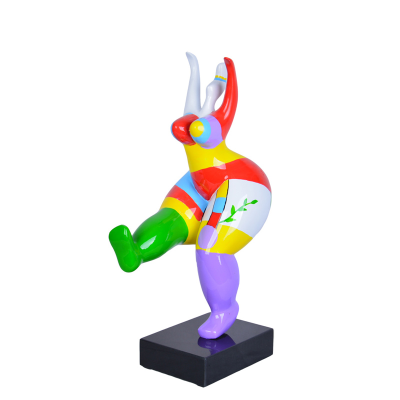


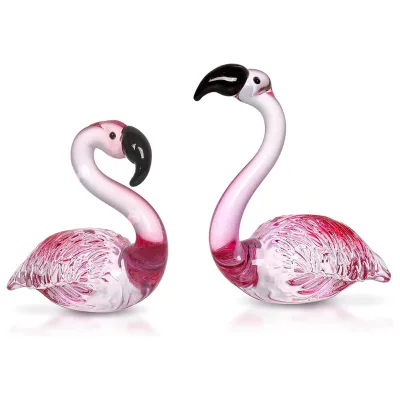






Comprehensive Sourcing Guide
Glass Figurine Sourcing Guide
Sourcing glass figurines requires a clear distinction between decorative art pieces and functional glassware, as the market offers a wide spectrum of products ranging from polished animal motifs to abstract crystal sculptures. Buyers must first define whether the procurement goal is for holiday ornaments, business gifts, or home decoration, as these use cases dictate the necessary material properties and finishing techniques. The observed product landscape includes items explicitly categorized as glass bottles, tableware, and figurines, indicating that a single supplier may offer diverse lines that require separate quality verification protocols.
The procurement strategy must account for the variability in customization options, as some listings indicate non-customized stock while others offer full customization services. This distinction is critical for buyers seeking unique branding or specific thematic elements like sports, Buddhism, or animal figures. Understanding the available production techniques, such as polishing or melting processes, helps in selecting the right partner for the desired aesthetic outcome, ensuring the final product aligns with the intended application, whether it is a souvenir or a high-end art collection piece.
Product Scope and Observed Listing Signals
The product scope for glass figurines spans multiple thematic categories, including animals, human figures, crosses, and mascots, which are often marketed for specific occasions like Christmas or general home decoration. Buyers should verify the specific theme and style, such as angelic designs or sports motifs, against their target market preferences, as the visual appeal is the primary driver for these items. The observed listings highlight a range of colors from transparent and colored glass to specific hues like yellow, red, and purple, allowing for tailored selections that match corporate branding or seasonal themes.
Commercial signals in the market indicate a flexible approach to packaging and minimum order quantities, with some suppliers offering safe packing in cartons while others provide specialized options like velvet or wooden boxes for premium presentation. The minimum order quantity (MOQ) can vary significantly, with some listings starting as low as one unit for sampling and others requiring bulk commitments up to 10,000 units. This variance suggests that buyers should clarify their volume needs early to negotiate appropriate pricing tiers and packaging solutions that protect the fragile nature of the glass during transit.
Technical Specifications to Verify
Technical verification begins with the material composition, as the market offers products made from melt glass, natural crystal, and various colored glass types. Buyers must confirm the specific glass type required for their application, noting that heat-resistant properties are available for certain models, which is essential if the figurines are intended for environments with temperature fluctuations. The physical dimensions and standard sizes, such as 783948mm or custom sizes, must be validated against the design requirements to ensure the figurines fit the intended display spaces or packaging constraints.
Finishing techniques and structural details are equally critical, with polished surfaces being a common attribute for high-quality decorative pieces. Buyers should inspect the lamp holder or base specifications if the figurines are designed to integrate lighting, noting that some models feature specific shapes like half spirals or T-shapes with defined tube diameters. Additionally, the presence or absence of handles and the specific voltage requirements for any integrated lighting components must be confirmed to ensure the product meets the functional and safety expectations of the end-user.
Compliance and Safety Documentation
Compliance documentation is a non-negotiable aspect of sourcing glass figurines, particularly when products are intended for international markets or specific retail channels. The observed listings frequently reference RoHS certification, which indicates compliance with restrictions on hazardous substances, a standard requirement for many electronic components and glass products entering the European market. Buyers should request valid certificates for RoHS and, where applicable, CE certification to ensure the products meet the safety and environmental standards of the destination country.
Beyond material safety, the manufacturing origin and facility certifications play a vital role in risk mitigation. Products originating from regions like Shandong or Jiangsu in China may have different quality control histories, and buyers should verify if the supplier holds ISO 9001 or ISO 14001 certifications to ensure consistent quality and environmental management. While some background data suggests these standards, buyers must obtain current, verifiable documentation from the specific supplier to confirm that their production processes adhere to recognized international quality and safety benchmarks.
Cost Drivers and Commercial Terms
Cost drivers for glass figurines are heavily influenced by the complexity of the design, the material quality, and the level of customization required. Natural crystal and polished finishes typically command higher prices than standard melt glass, and custom sizes or unique themes like specific mascots or religious symbols add to the production cost. Buyers should analyze the price range, which can span from low-cost items to premium pieces, and correlate these costs with the observed MOQs to determine the most economical order volume for their specific needs.
Commercial terms regarding packaging and logistics are also significant cost factors, as the fragility of glass necessitates robust protection methods like carton packaging, OPP bags, or specialized wooden and velvet boxes. The choice of packaging directly impacts shipping costs and the risk of damage during transit, so buyers should negotiate terms that balance protection with cost efficiency. Additionally, the availability of after-sales support and customization services should be factored into the total cost of ownership, as these services can reduce long-term risks and ensure product satisfaction.
Supplier Qualification and Quality Control
Supplier qualification requires a thorough assessment of their production capabilities, specifically their ability to handle the diverse range of themes and styles observed in the market. Buyers should verify the supplier's experience with specific techniques like polishing and their capacity to manage custom orders, as indicated by the availability of customization services. It is essential to confirm that the supplier can consistently deliver products that match the specified themes, such as animal or human figures, and maintain the high aesthetic standards required for decorative and collection items.
Quality control protocols must be established to ensure that the finished glass figurines meet the agreed-upon specifications for color, transparency, and structural integrity. Buyers should implement pre-shipment inspections to check for defects such as bubbles, uneven polishing, or color inconsistencies, which are common issues in glass manufacturing. Establishing a clear communication channel for after-sales support is also crucial, as it allows for the resolution of any quality issues that may arise after the products have been delivered to the end customer.
Long-Term Procurement Checks
Long-term procurement success depends on maintaining a consistent relationship with suppliers who can adapt to changing market trends and design requirements. Buyers should regularly review the supplier's ability to innovate, as indicated by the "Innovation First" attribute, ensuring they can provide fresh designs and themes that keep their product offerings competitive. This ongoing evaluation helps in identifying suppliers who are proactive in improving their product lines and maintaining high standards of quality and service over time.
Continuous monitoring of compliance and certification status is essential to mitigate regulatory risks and ensure that the supply chain remains robust. Buyers should schedule periodic audits or requests for updated documentation to verify that the supplier continues to meet RoHS, CE, and other relevant standards. By maintaining a disciplined approach to supplier management and quality assurance, buyers can secure a reliable source of high-quality glass figurines that meet both current and future business needs.
FAQs
What materials are used for these glass figurines
The figurines are primarily made from glass, with specific items using natural crystal or melt glass. These materials allow for polished finishes and transparent or colored appearances suitable for decorative and collectible purposes.
Can I customize the size and design of glass figurines
Yes, customization is available for both size and design. Suppliers offer custom sizes and can produce items with specific themes such as animals, sports, or human figures. You can request tailored dimensions and aesthetic styles to match your requirements.
What certifications do these glass figurines hold
Many of these products hold RoHS and ISO certifications, ensuring compliance with environmental and quality standards. Some items also feature CE certification. These credentials verify that the materials and manufacturing processes meet international safety and quality benchmarks.
What is the typical MOQ for glass figurine orders
The minimum order quantity varies by supplier, with observed ranges from 1 to 10,000 units. A common MOQ for specific models is 100 pieces. Buyers should confirm the exact MOQ with the supplier based on the specific product model and customization needs.
How are glass figurines packaged for shipping
Packaging options include cartons, OPP bags, plastic boxes, paper boxes, wood boxes, and velvet boxes. Safe packing is standard to protect the fragile glass during transit. Buyers can select packaging types that suit their retail or gift-giving requirements.
What themes are available for glass figurines
Available themes include animals, sports, pyramids, mascots, love, human figures, crosses, and Buddhism. These themes cater to various uses such as souvenirs, home decoration, holiday gifts, and business gifts, allowing for diverse product lines.
Where are these glass figurines manufactured
The products originate from China, with specific manufacturing locations in Shandong and Jiangsu. These regions are known for glass production capabilities, offering a range of options for buyers seeking reliable sourcing from established industrial areas.